
About the Journal
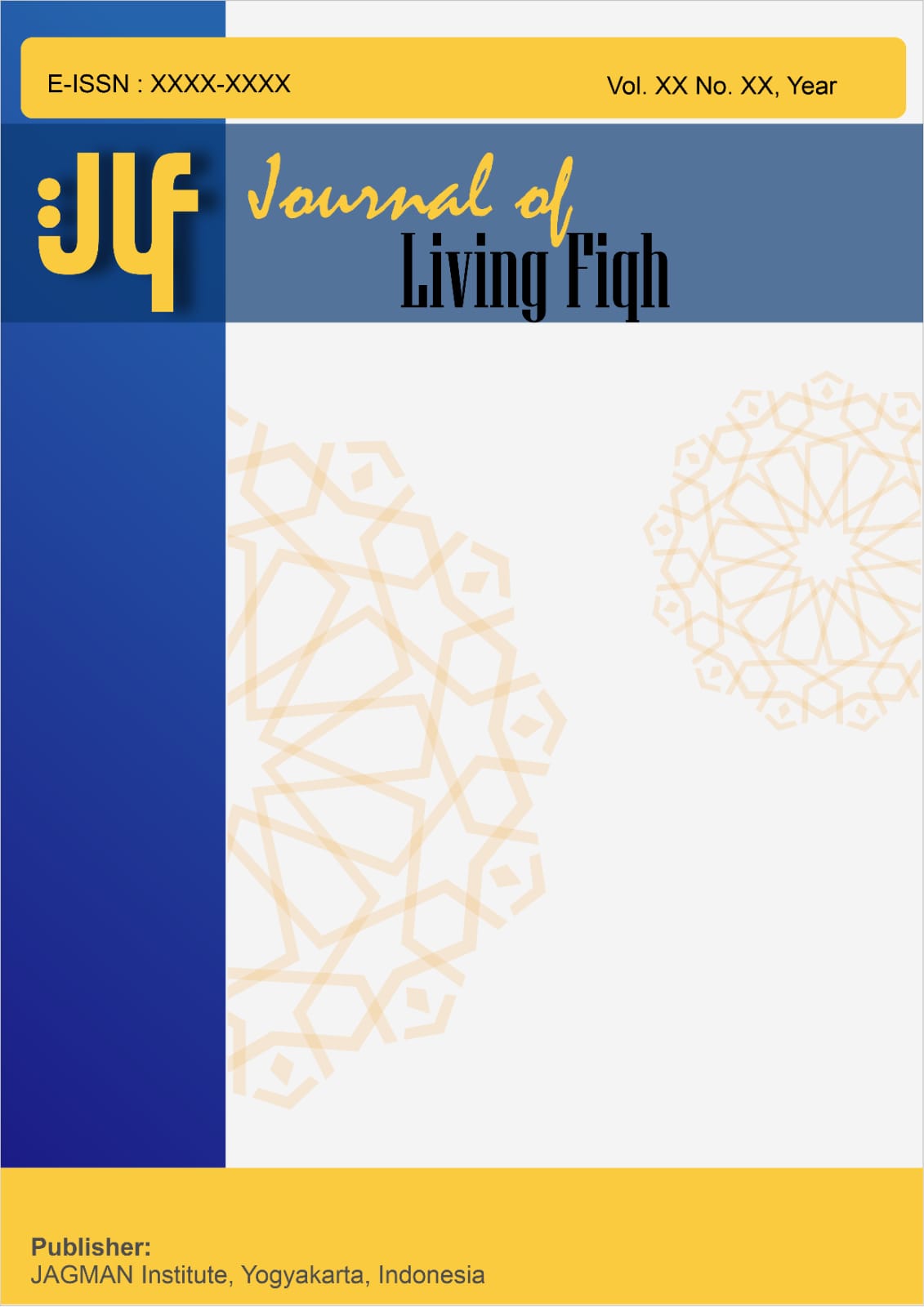
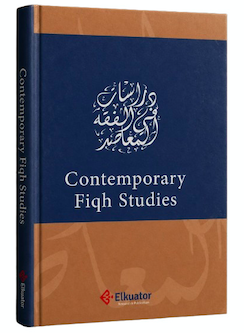
Contemporary Fiqh Studies
Editorial TeamContemporary Fiqh Studies (CFS) is a peer-reviewed academic journal dedicated to advancing scholarship on fiqh and Islamic legal discourse in contemporary contexts. Guided by its motto, “Scholarly Light, Critical Insight,” the journal fosters meaningful engagement between the intellectual heritage of Islamic law and the questions, challenges, and transformations shaping the contemporary world. CFS examines how Islamic legal reasoning, norms, and authorities are interpreted, contested, and transformed across diverse social, political, and geographical contexts, including both Muslim-majority and Muslim-minority societies. It welcomes scholarship on Islamic legal thought and practice in Muslim diaspora communities, as well as on minority fiqh and the ways Muslims navigate religious commitments within pluralistic legal systems. The journal explores the interactions of fiqh and/or Islamic law with state law, political institutions, economic systems, family dynamics, gender relations, contemporary practices, and digital environments.
 The journal welcomes original research employing doctrinal, historical, empirical, comparative, and interdisciplinary approaches. It encourages contributions that combine conceptual depth with methodological rigor, critically engage relevant scholarship, and offer substantive insights into Islamic legal thought and practice. CFS accommodates diverse theoretical orientations and research methods, provided that submissions demonstrate scholarly originality, analytical clarity, and a clear contribution to the field. Committed to overcoming intellectual fragmentation, CFS fosters dialogue across disciplinary boundaries and encourages exchanges between classical scholarship and contemporary perspectives. It provides a forum for researchers and practitioners from diverse academic and professional backgrounds to examine Islamic law through complementary analytical lenses.
By bringing diverse perspectives into conversation, the journal seeks to deepen critical understanding of how Islamic legal reasoning responds to contemporary realities and how those realities, in turn, shape the transformation, interpretation, and practice of Islamic law. It welcomes contributions that illuminate established debates as well as those that open new directions for inquiry, strengthening the relevance of Islamic legal studies within a dynamic and interconnected intellectual landscape.